
How to tape down cables for a temporary set or stage
The first improvement to a cable run usually happens before the tape comes out: put the cable somewhere fewer people need to walk.
Read the guideThe working notes
Cable runs, stage marks, equipment labels, and strike. Fifteen practical guides, with diagrams you can use.
The first improvement to a cable run usually happens before the tape comes out: put the cable somewhere fewer people need to walk.
Read the guideMore from the kit
14 guides
A black roll is not a specification. Before you buy tape for a set or venue, decide what it must hold, how long it will stay, and what happens when it comes off.
Read the guide
The two tapes look related because they share a woven backing. The layer on top of that backing changes almost everything.
Read the guide
The difference is not the cloth. It is the coating, the adhesive, and the amount of control the maker built into the roll.
Read the guide
A mark needs to tell the next person exactly where something goes. Color alone rarely supplies enough information once a show has several scenes and several people moving furniture.
Read the guide
Clean removal starts when you choose where to stick the tape. Once a finish begins lifting, a faster pull is usually the wrong next move.
Read the guide
The honest answer is sometimes. The useful answer is that residue is predictable enough to test for, and most of the variables are under your control.
Read the guide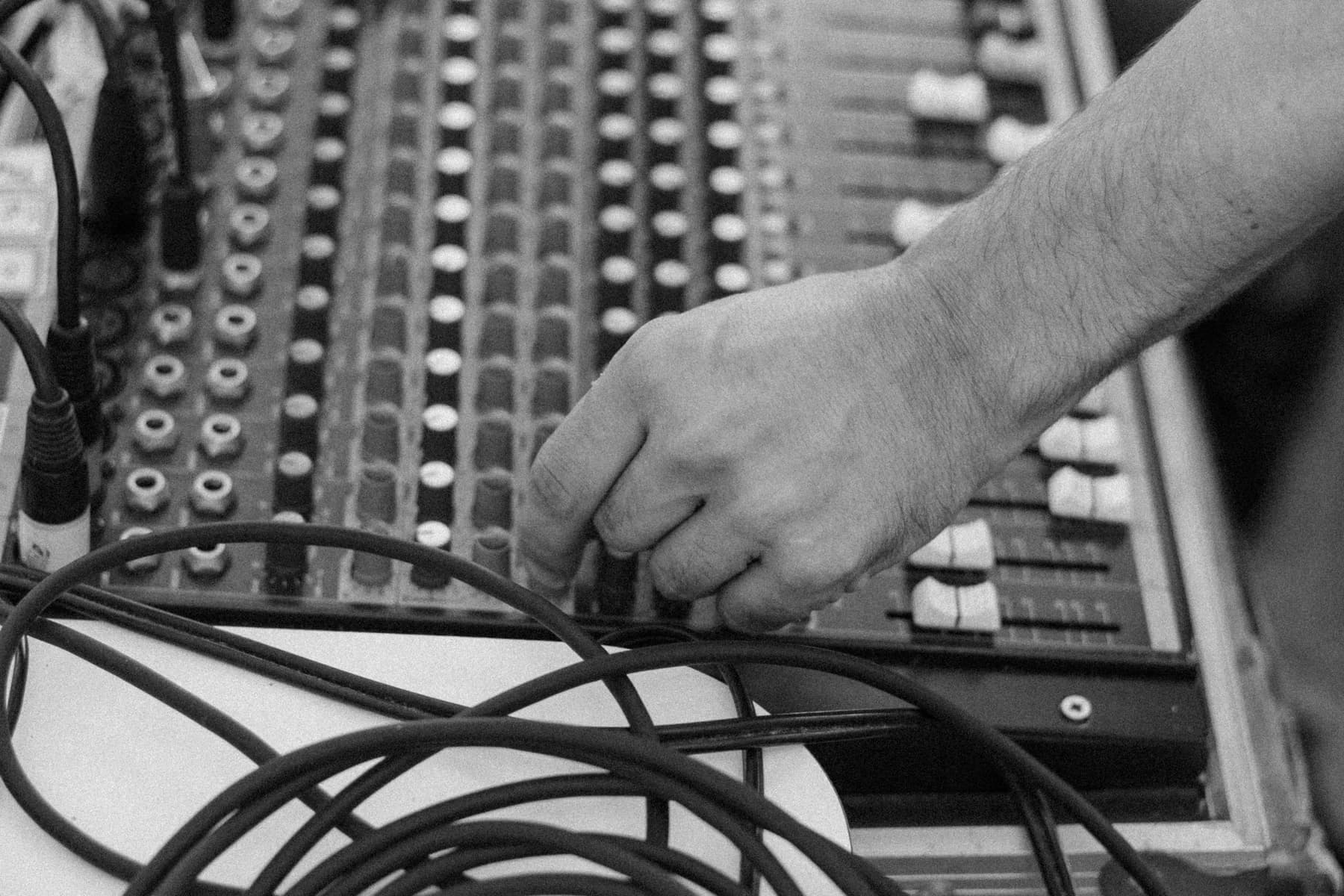
The label has one job: tell an operator what this connection or control does right now. A clever color code cannot rescue a label that disagrees with the patch.
Read the guide
A label is not decoration. It is the shortest path between a problem and the cable that caused it.
Read the guide
In a studio, the most useful tape marks are the ones that let you return to a setup after the camera, subject, or background has moved.
Read the guide
Gaffer tape earned its place on set because it is quiet, matte, and temporary. The trouble starts when a temporary tape gets a permanent job.
Read the guide
Count the strips you expect to apply. The number of cables in a room is a poor substitute for the length of the routes you will actually tape.
Read the guide
A discreet cable cover and a visible position mark have opposite goals. Decide who needs to see the tape before choosing its color.
Read the guide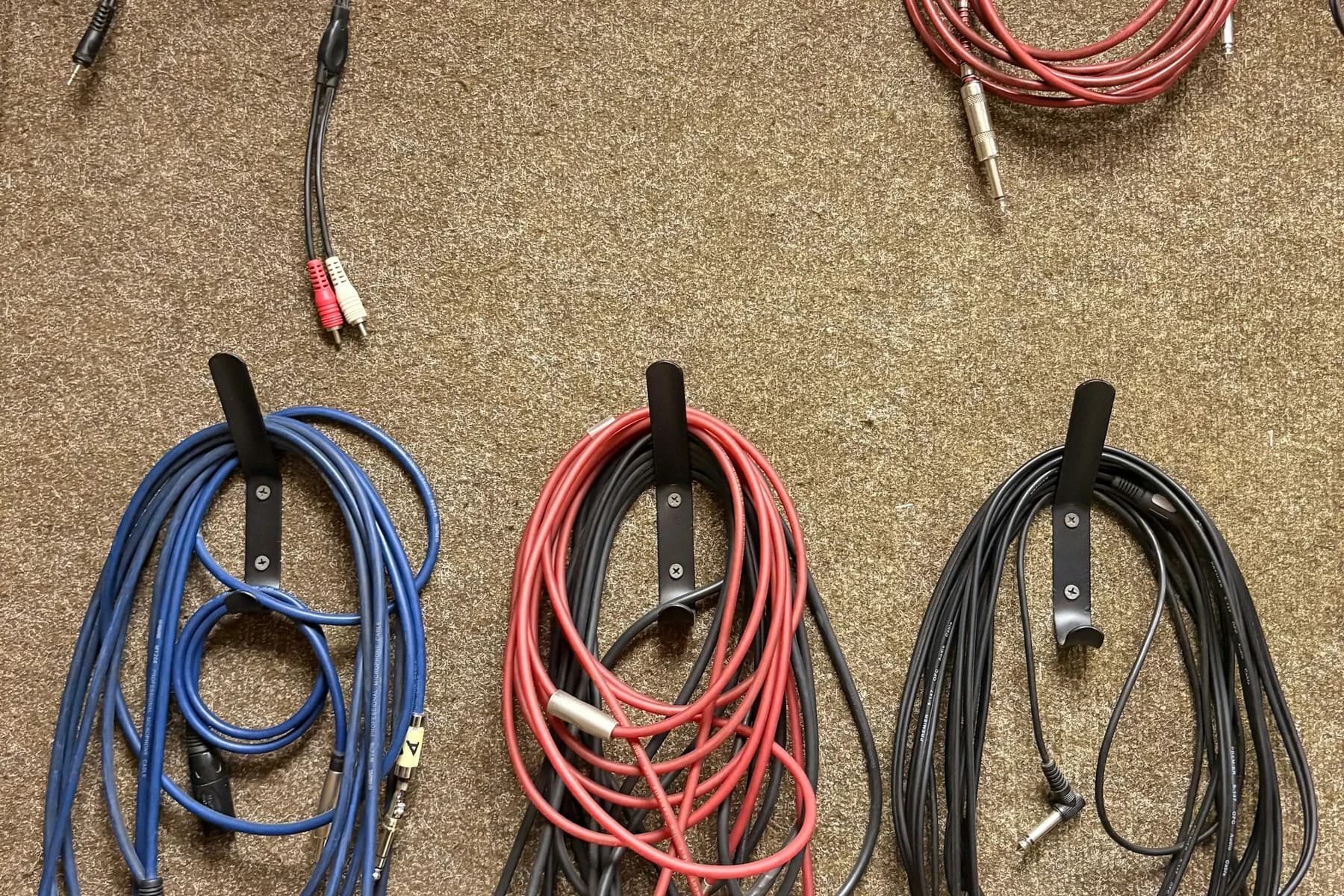
The worst time to discover a sticky, knotted cable is when someone needs it immediately. Storage starts with how you remove it from the last job.
Read the guide
A checklist is useful when it names an action, an owner, and a point in the schedule. A long list of things to remember is harder to hand over.
Read the guide